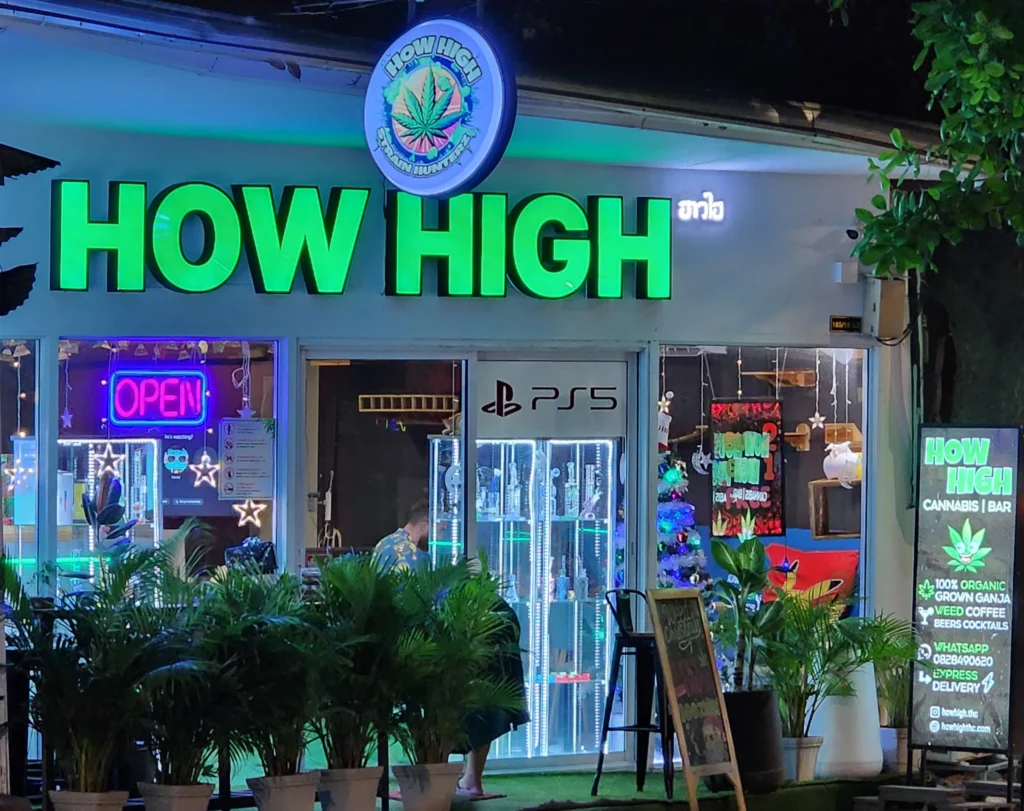
Most lists of Thailand travel trends 2026 read like they were written from a desk in Bangkok. Ours comes from a dispensary counter in Koh Samui, where digital nomads, honeymooners, retirees and wellness pilgrims all pass through in the same afternoon, and where this year’s conversations sound noticeably different. People talk less about ticking off sights and more about how they want to live while they are here. So here are the trends we actually see shaping 2026, from the island floor rather than the boardroom.
Digital Nomad Tourism Continues to Boom
Remote work has reshaped who comes to Thailand and for how long. Bangkok, Chiang Mai and Phuket keep drawing remote workers with fast internet, affordable apartments and a real social scene, while islands like Koh Samui and Koh Phangan attract the laptop-on-the-balcony crowd who want the same setup with a sea view. On top of that, the Destination Thailand Visa (DTV) has made long stays far more practical for freelancers, entrepreneurs and remote professionals. Many of the “tourists” you meet in 2026 are really residents in slow motion. We see it weekly at the shop: someone who came for two weeks in November is still around in March, working mornings, training muay thai at five, and quietly never booking the flight home.
Wellness Travel Is Becoming a Priority
Wellness tourism in Thailand has grown far beyond the hotel spa. Visitors now build entire trips around yoga retreats, meditation, breathwork, detox programs and fitness camps, and destinations like Koh Samui, Chiang Rai and Pai have responded with some of the best wellness infrastructure in Southeast Asia. Meanwhile, the standard itinerary has quietly changed shape: muay thai or yoga in the morning, beach in the afternoon, massage before dinner, early night. People come home from Thailand feeling better than when they left, and they book again for exactly that reason.
Cannabis-Friendly Travel Is Part of the Picture
Since cannabis was removed from Thailand’s narcotics list in June 2022, a legal, licensed dispensary scene has grown up in every major destination, and for some travelers it has become part of why they choose Thailand at all. The rules have tightened under the 2025 cannabis rules, and since June 2025 flower is sold on prescription only: you buy in person from licensed shops, with a PT33 issued after a real consultation, and public smoking stays strictly off the table.
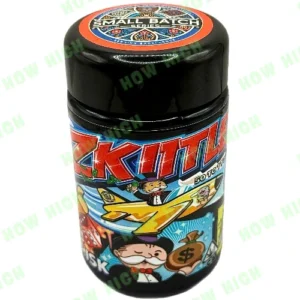
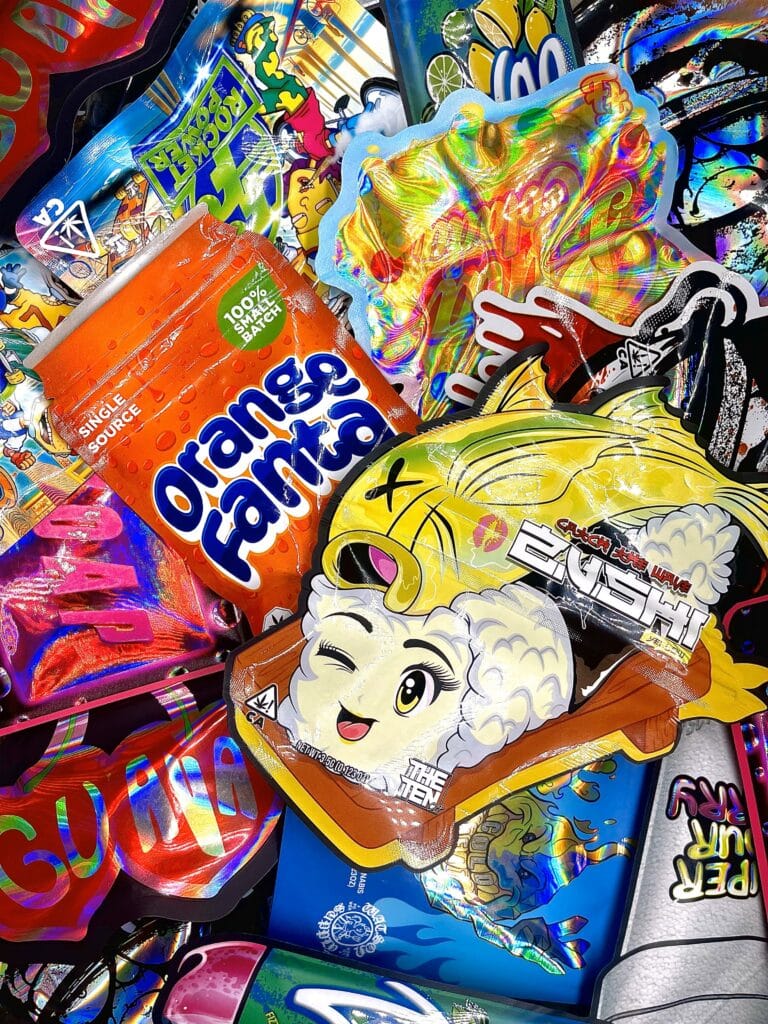
Koh Samui is a good example of how mature the scene now is. Licensed shops such as How High in Chaweng and at Fisherman’s Village in Bophut stock everything from sun-grown Thai flower like Mandarin Cookies to imported Cali packs from name-brand growers such as Major League and Wizard Trees, with staff who explain strains the way a sommelier explains wine. Budget-wise a Samui dispensary run is approachable: Thai flower from about 150฿ a gram up to imported Cali packs from around 2,600฿.
What is genuinely new in 2026 is how normal the experience has become. Travelers wander in between a yoga class and a beach day, read a labelled menu, ask about terpenes, and leave with something matched to their evening rather than whatever a street seller had. The etiquette for visitors stays simple: enjoy it in private, never on the beach, and never try to carry anything across a border.
Quieter, Higher-End and Greener
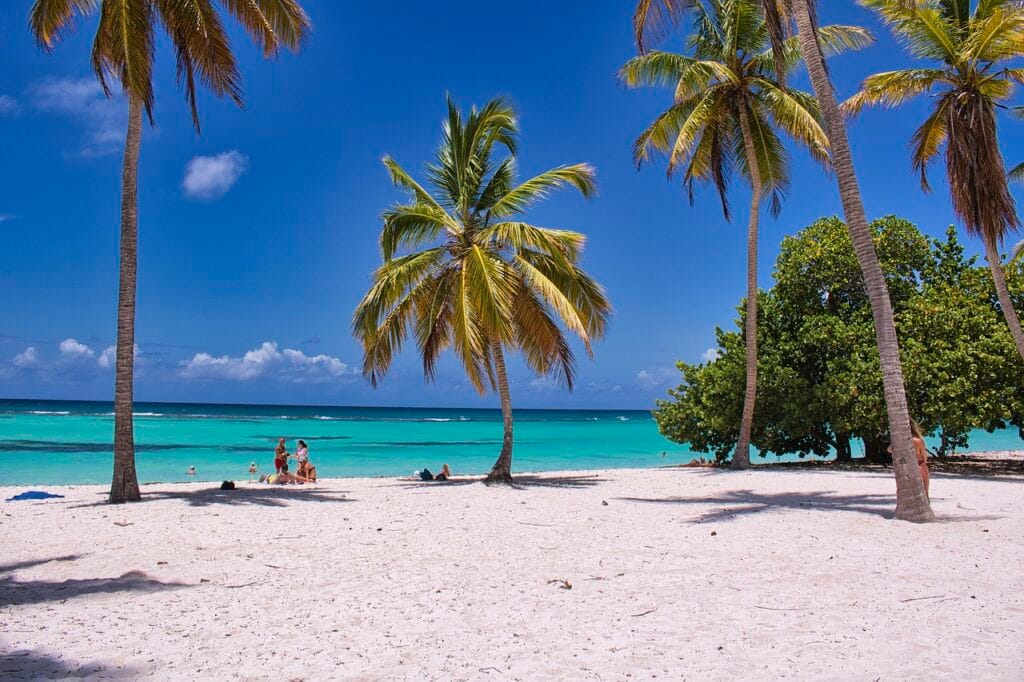
Three quieter shifts are reshaping the rest of the trip, and they all point the same way. First, repeat travelers are trading the big hotspots for space: Koh Kood, Koh Yao Noi, Nan Province, Trat and Nakhon Si Thammarat are winning people over with pristine beaches and a fraction of the crowds, and even on the busy islands the instinct now is to find the quiet end of the beach. Second, luxury has moved past marble lobbies toward things money cannot replicate at home, a private long-tail day through the Ang Thong islands, a chef cooking southern Thai food in your villa, a twelve-guest wellness retreat. Third, sustainability has become a real booking filter, with eco-lodges, community-based tourism and ethical wildlife and marine projects rewarded with loyalty while greenwashing gets called out faster than ever. The common thread is the one running through this whole list: in 2026, the most valuable thing Thailand sells is space and intention.
Film and Pop Culture Tourism Is Driving Travel Decisions
Few forces move bookings like a hit show. Koh Samui felt it directly when The White Lotus filmed its third season here: for a year afterwards, visitors kept arriving having already chosen their hotel from the screen, and some still ask where specific scenes were shot. Add TikTok, Instagram and YouTube creators amplifying every photogenic corner, and pop culture has become one of the strongest forces deciding where people book next. Expect the wave to keep rolling through 2026.
What These Trends Mean for Your 2026 Trip
If we had to compress all of it into one line of advice: stay longer, go quieter, look after your body, and keep the evenings private and easy. Thailand in 2026 rewards the traveler who plans around experiences rather than checklists, and punishes nobody for slowing down. If Koh Samui ends up on your route, drop by How High in Chaweng or at Fisherman’s Village in Bophut and say hello. The island does the rest.